Caffeine
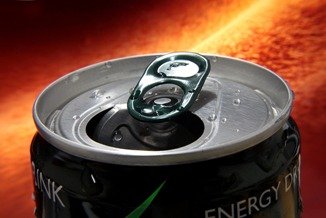
The stimulant effects of energy drinks can cause hyperactivity, sleep problems and poor concentration. This can lead to poor performance at school. Energy drinks contain stimulants such as guarana, taurine, and ginseng.
Caffeine naturally occurs in plants such as tea, coffee and cocoa and is also added to energy drinks, and some other substances such as painkillers. It can temporarily reduce drowsiness and restore alertness, and is so abundant we rarely think of it as a drug.
How much caffeine is too much? - BHF
FSA and FSS issue guidance on caffeine in food supplements | Food Standards Agency
The Dark Side of Energy Drinks: A Comprehensive Review of Their Impact on the Human Body - PMC
Scottish Government evidence summary of caffeinated energy drink (CED) consumption patterns in children and young people in the UK and Scotland and the impact on their physical and psychological health and behavioural outcomes.
Article first published in 2018 by The Associated of UK Dietitians. Energy drinks and young people (bda.uk.com)
Evidence summary of caffeinated energy drink (CED) consumption patterns in children and young people in the UK and Scotland and the impact on their physical and psychological health and behavioural outcomes [Published 30 May 2023]
Supporting documents - Energy drinks
Health Information Resource Service (HIRS)
Health Information Resources Service (HIRS)
Health Board Offices
37 South Beach,
Stornoway
Isle of Lewis, HS1 2BB
Tel: 01851 708 055
Email: wi.hirs@nhs.scot